
THE SAKE PROJECT
Fashion shaped by materials, knowledge and place.
SAKE is a regenerative fashion and material innovation house from Peru, founded by Colombian designer and textile researcher Ana Tafur.
Rooted in the Andes and Amazon, SAKE brings together contemporary design, ancestral knowledge and material research to explore new ways of making fashion. We look at fashion through the materials that make it possible: where they come from, who knows how to work with them, and what they can become.
Because a material is never just a material.
It carries the memory of a place, the knowledge of a hand, the life of a landscape.
SAKE brings these stories into the present.
ANA TAFUR
FOUNDER & CREATIVE DIRECTOR
Before creating SAKE, Ana Tafur spent seven years in Shanghai working inside the machinery of fashion production.
Factories.
Production lines.
Scale.
She saw how fashion was made at an industrial pace and began to question what might happen if we looked at making differently.
Her return to Latin America took her in another direction.
Into the Andes. Into the Amazon. Into communities where textile knowledge, materials and ways of working with the land have been passed from one generation to the next. The contrast stayed with her.
What if fashion could be made differently?
Not simply by changing what we produce, but by changing our relationship with the people, materials and places behind it.
That question became The Sake Project. Today, Ana works across fashion, textile research and material innovation, connecting contemporary design with knowledge rooted in place.
SAKE is the result of that ongoing exploration.
FROM INDUSTRIAL PRODUCTION TO LIVING SYSTEMS
SAKE grew from a change in perspective.
From factories to handlooms.
From production lines to forests.
From standardized materials to living matter.
The question was no longer simply:
What can we make?
It became:
What can fashion make possible?
New value for overlooked materials.
New possibilities for traditional knowledge.
New relationships between design and the landscapes from which it comes.
This is the space where SAKE works.
A LIVING LABORATORY
SAKE is a living laboratory for fashion, textile innovation and non-extractive design. We work with materials that invite another kind of attention.
SHIRINGA
Wild Amazonian rubber becomes a bio-textile through a harvesting practice that allows the tree to remain standing and productive.
SAKE works with forest communities in San Martín to explore what this living material can become when traditional knowledge meets contemporary design and material research.
PAICHE
One of the Amazon’s great freshwater fish, Paiche provides a material that would otherwise be discarded after food production.
Its skin is developed into fish leather, while its scales open another path for texture, surface and ornament.
What begins as a by-product becomes part of a new material language.
CHAMBIRA
An Amazonian palm fiber traditionally used by Indigenous communities, Chambira carries a long history of weaving, making and working with the forest.
At SAKE, it becomes part of an ongoing exploration of fiber, craft and materiality.
Three materials.
Three territories of knowledge.
Three different ways of asking what fashion can become.
The materials change.
The knowledge continues.
And somewhere between the two, something new begins.
THE BICESTER COLLECTION AWARD FOR EMERGING DESIGNERS
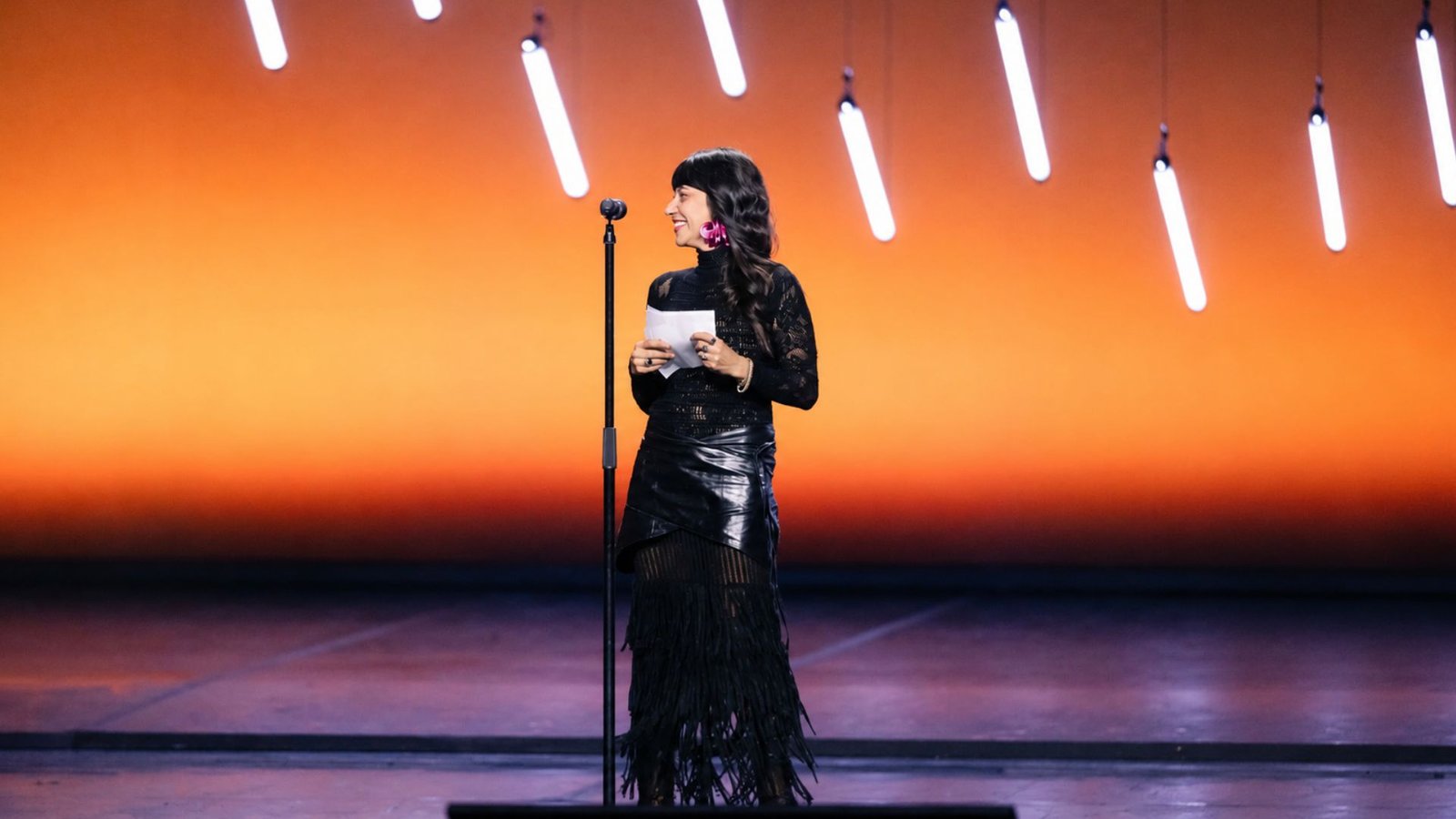
In 2025, The Sake Project received The Bicester Collection Award for Emerging Designers at the CNMI Sustainable Fashion Awards in Milan.
The recognition marked SAKE’s work at the intersection of ancestral knowledge, material innovation and responsible fashion.
For Ana, the award is also a recognition of the many hands, territories and forms of knowledge that make the work possible.
THE WORK CONTINUES
SAKE is not a finished formula.
It is an ongoing investigation into what materials, knowledge and design can become when they are allowed to remain connected to their origins.
We research.
We collaborate.
We experiment.
We make.
Some materials come from forests. Some from rivers. Some from fields. Some emerge from processes we are still lear