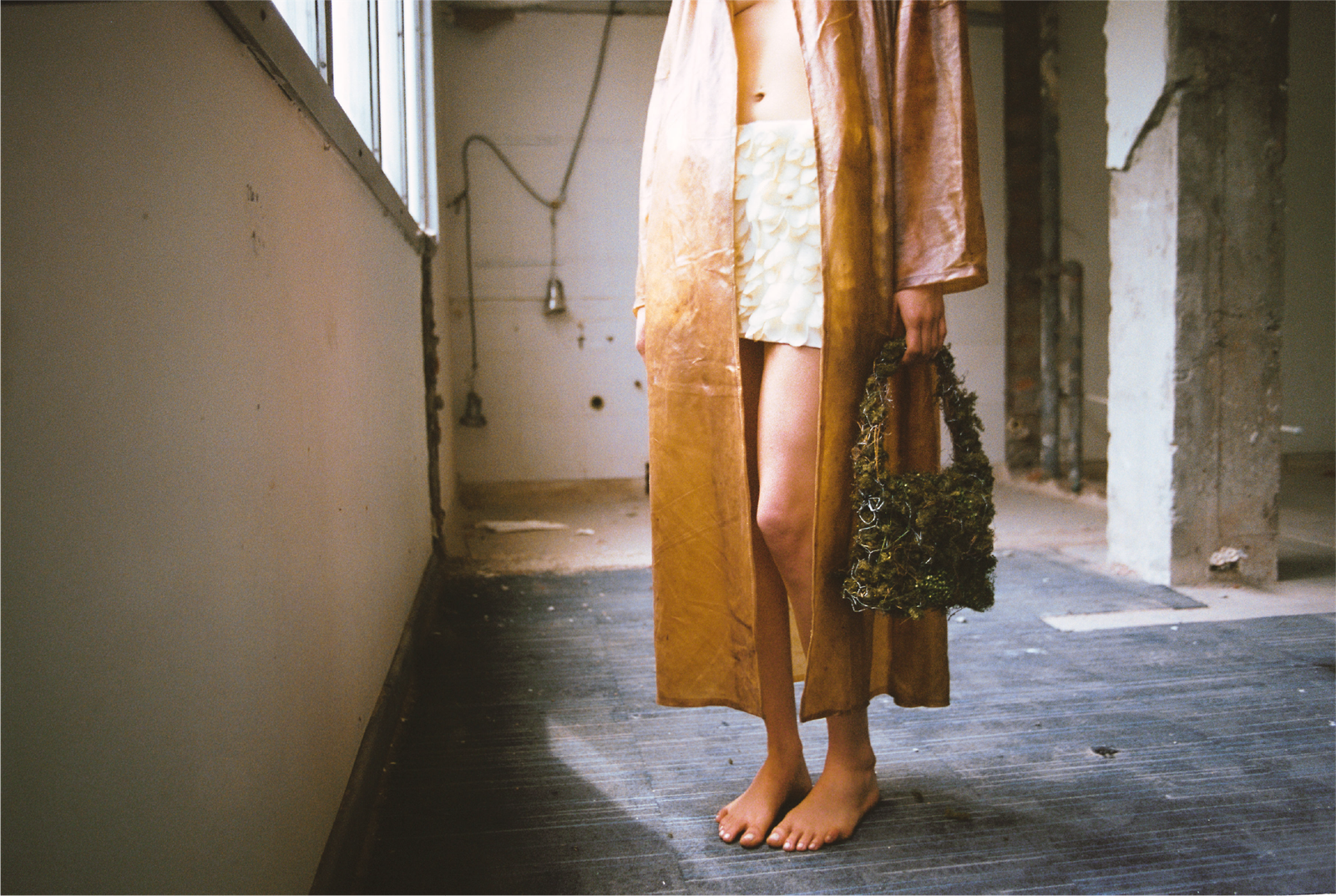
THE SAKE PROJECT is a nomadic laboratory for textile innovation, ancestral techniques, and non-extractive design. More than a fashion brand, SAKE is a living platform that weaves together ecosystems, communities, and biomaterials into a regenerative model of design.
Founded after a decade of immersive research and collaboration across the Andes and Amazon, SAKE launched its first ready-to-wear collection in 2022. Today, the project operates as both a design house and a research ecosystem, bridging ancestral intelligence with contemporary innovation.
THE SAKE PROJECT EXISTS TO CREATE FASHION THAT IS ALIVE, ROOTED IN RECIPROCITY AND ECOLOGICAL INTELLIGENCE
Mission
Preserve and revitalize ancestral knowledge.
Develop new biomaterials that extend the lifespan of ecosystems.
Strengthen community economies through fair, participatory, and regenerative models.
Offer the global market an alternative to extractive fashion through materials that embody life, territory, and memory.
Governance & Accountability
GOVERNANCE AT SAKE IS BUILT ON THREE PILLARS
ACCOUNTABILITY TRACEABILITY RECIPROCITY
Annual audits, Fair Trade certification.
Progressively implementing an in-house blockchain. This system is being developed in alignment with the natural ecosystems of the Andes and the Amazon, with the objective of ensuring transparency, strengthening governance mechanisms, and contributing to the integration of biodiversity into the value chain.
Reinvesting in health, education, and infrastructure.
Ensuring equitable pay, safe conditions, and financial autonomy for communities.
Impact in Communities
Pinchimuro (Ocongate, Cusco)
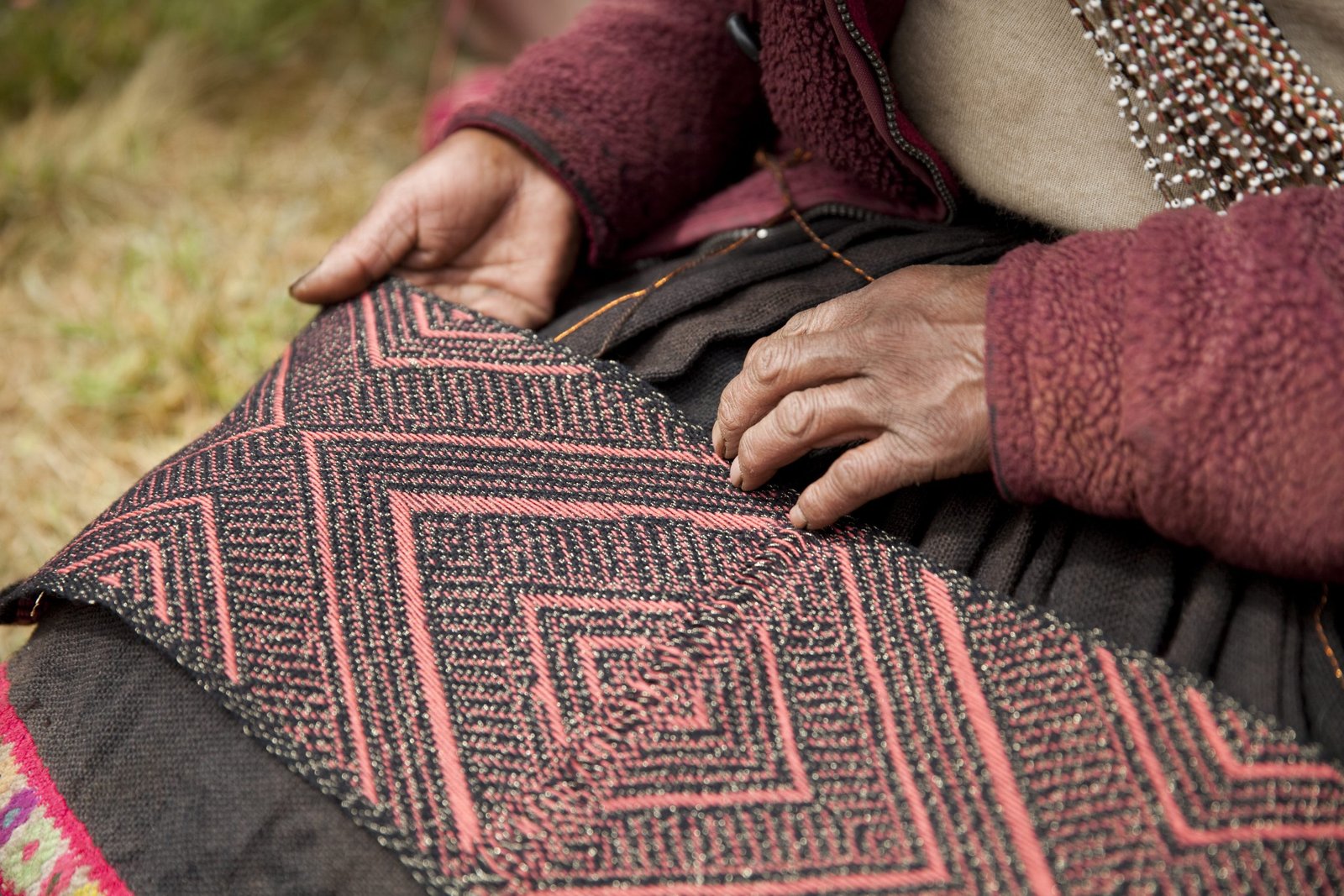
Impact: Preserving Quechua heritage through ancestral weaving practices. Fostering women-led economic autonomy and leadership. Supporting greenhouse initiatives and clean water access.
Direct impact: 15 artisan families sustain livelihoods through weaving and cultural transmission.
Shunku Warmi Kuna (Rebalse, Chazuta, San Martín)
Impact: Promoting women’s economic sovereignty and community leadership. Guardianship of 120 hectares of Amazon forest. Development of medicinal oils and endemic fibers rooted in traditional knowledge.
Direct impact: 11 women-led families generate income through agriculture, fibers, and natural medicine.
Fundo Lamine (Ucayali)
Impact: Transforming waste into value by processing paiche skins that would otherwise be discarded. Introducing petroleum-free, chrome-free, and lead-free tanning with tara-based tannins. Local small-scale production that minimizes pollution and ensures full use of by-products.
Direct impact: 8 riverine families strengthen livelihoods through circular economy practices.
Eco Bosques – Rebalse (Chazuta, San Martín)
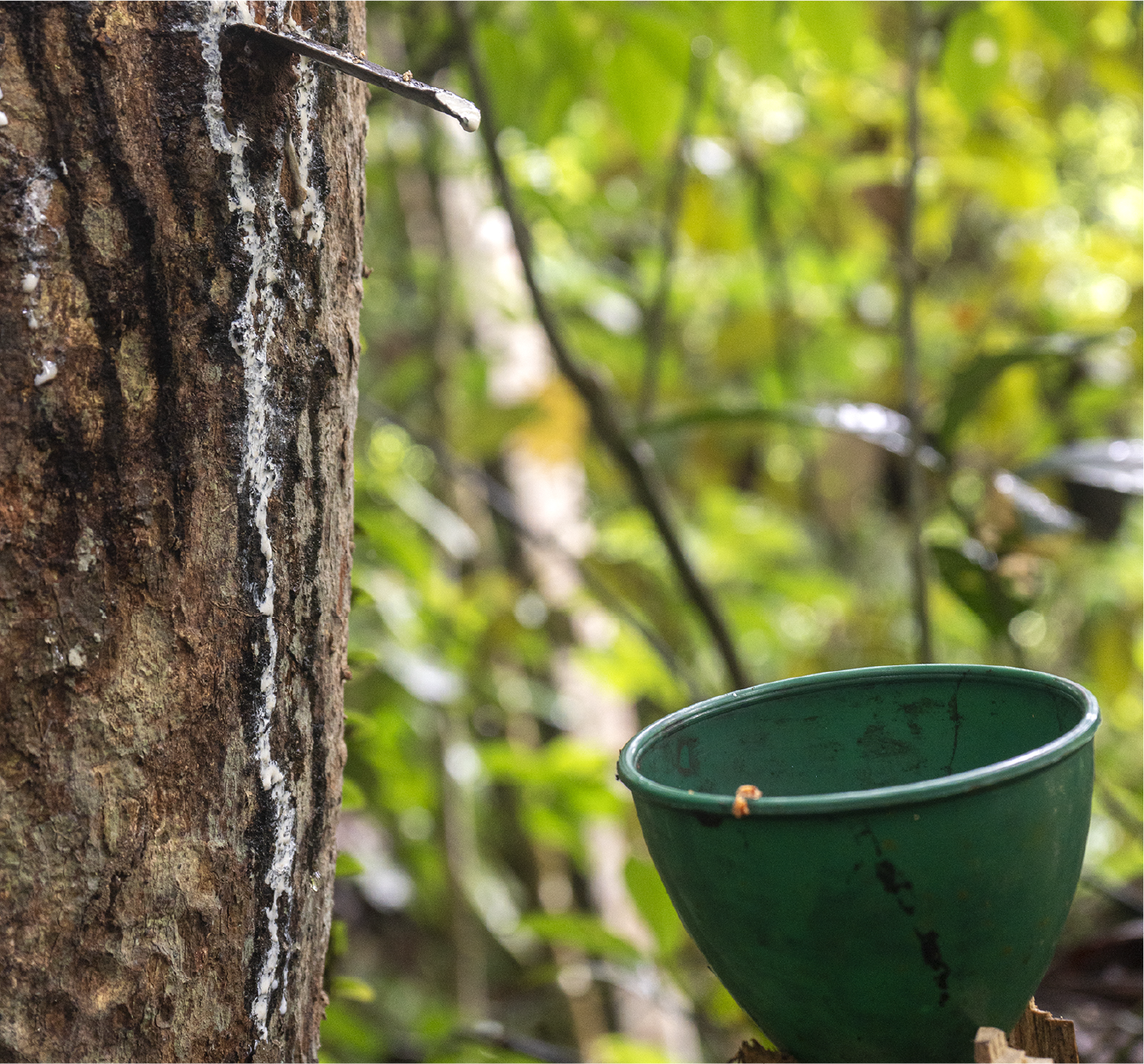
Impact: Preservation of 240 hectares of Amazon forest through sustainable shiringa extraction. Non-extractive bioinnovation, transforming latex without damaging trees. Integration of agriculture and forest care to promote bioeconomy.
Direct impact: 15 artisan families sustain livelihoods through weaving and cultural transmission.
Materials
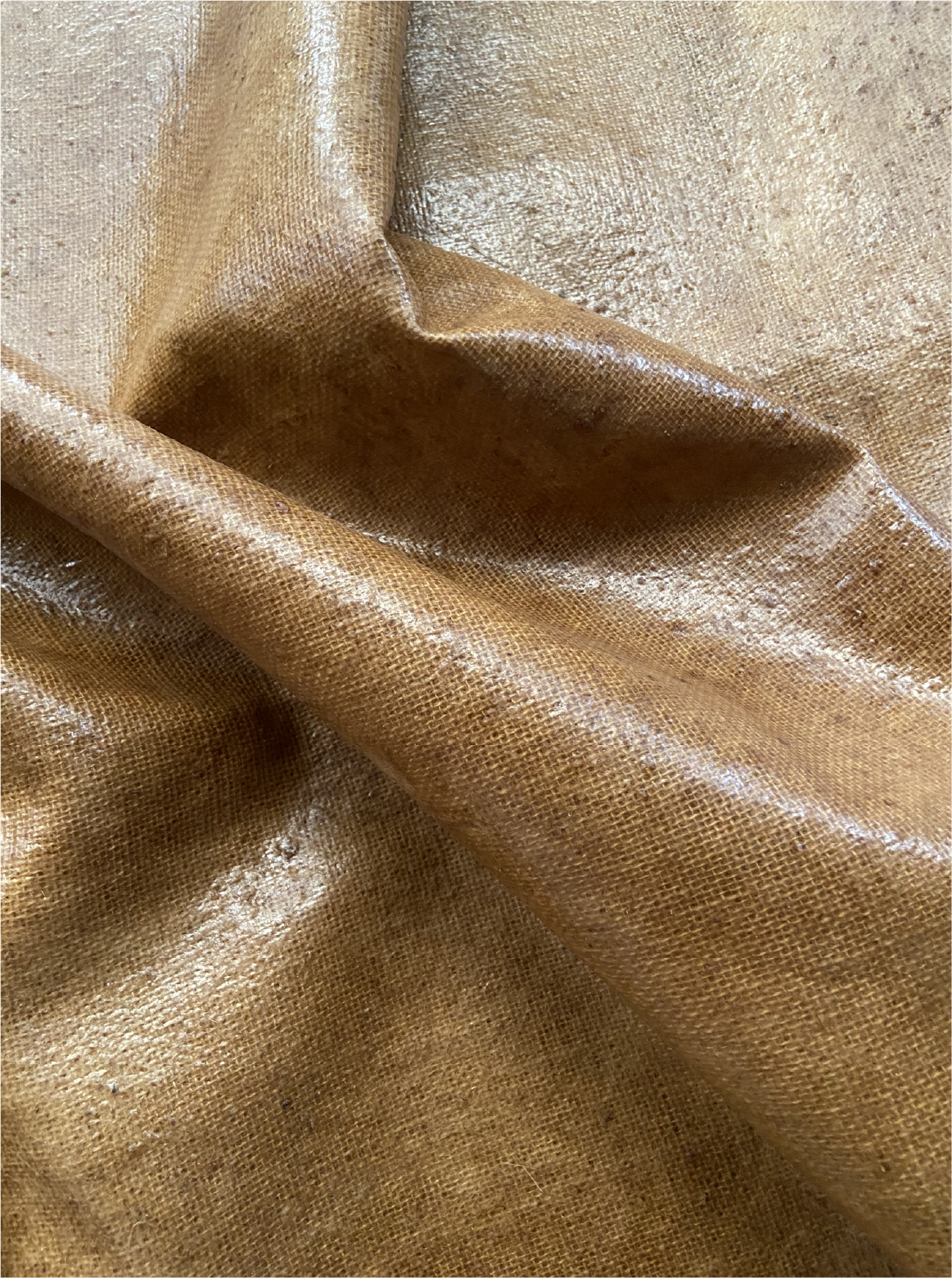
Shiringa Bio-Textile
Narrative: In the Amazon, the sap of the Shiringa tree once symbolized destruction. Today, it has become a story of resilience and regeneration. In Rebalse, Chazuta (San Martín), families practice the ancestral art of tapping the tree with a fine V-cut, extracting latex without ever harming it. This reciprocity honors the forest as a living ecosystem provider of food, medicine, fibers, and balance.
Shiringa represents a bioeconomy in motion: 220 hectares of protected forest, connected to over 7,000 hectares of Amazon territory.
Paiche Bio-Leather
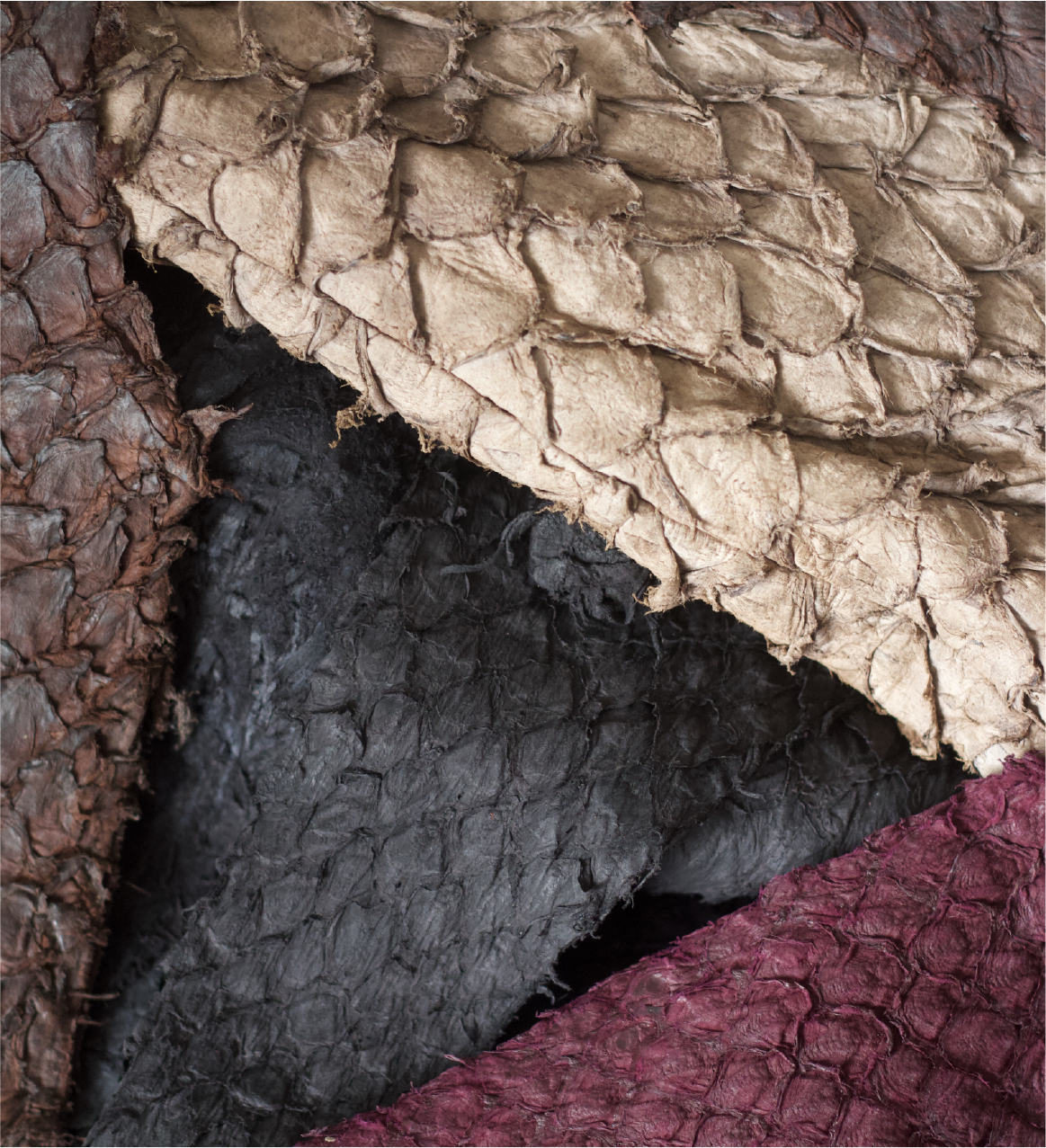
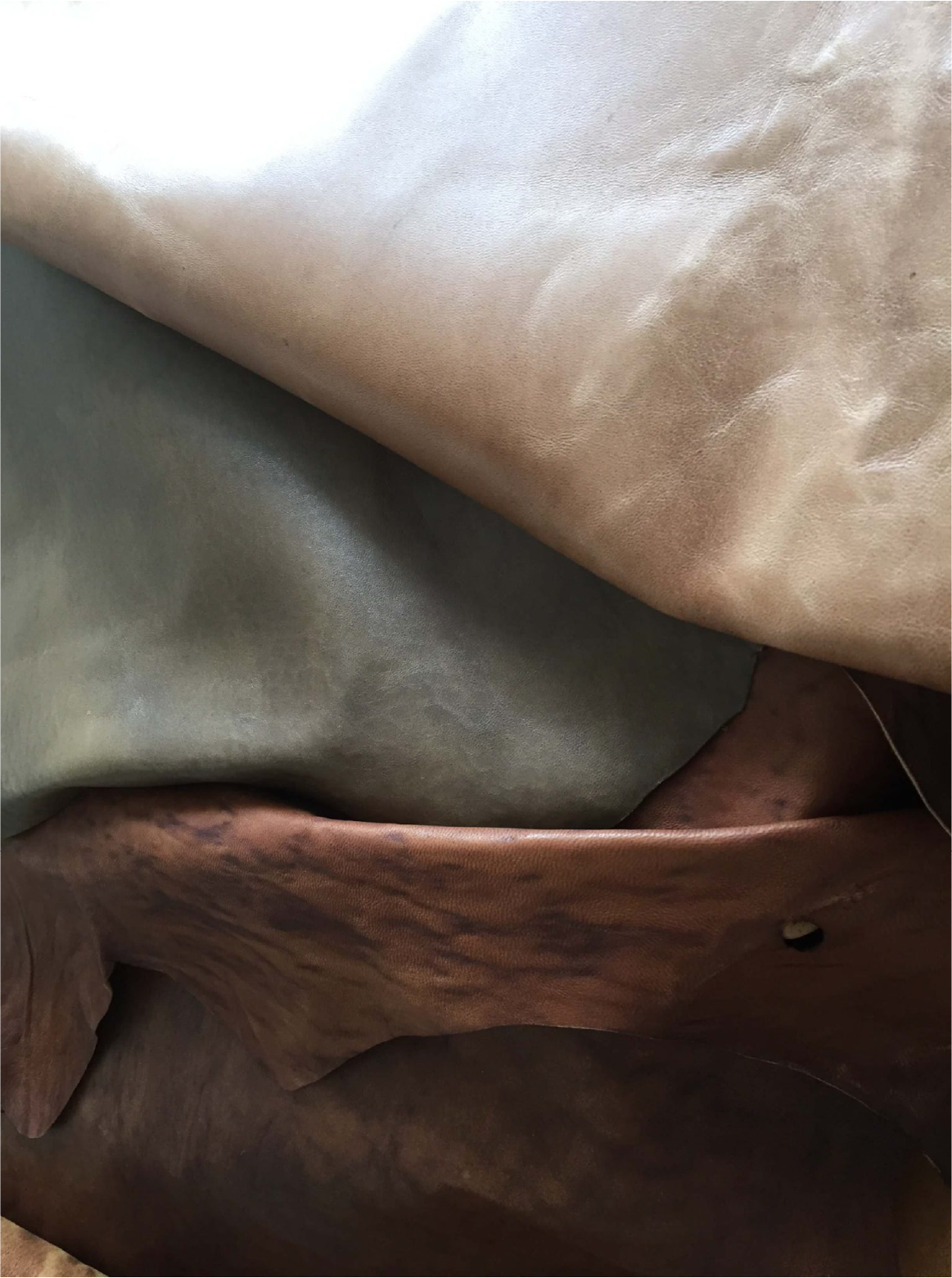
Narrative: The Paiche (Arapaima gigas), one of the largest freshwater fish in the world, has nourished Amazonian communities for centuries. Its skin, thick and textured, is often discarded as waste, becoming a source of contamination. By transforming this residue into bio-leather, we not only prevent pollution but also create new value from what was once overlooked.
Through a petroleum-free, chrome-free, and lead-free vegetable tanning process using tara pods, the skin becomes a sustainable alternative to conventional leather.
Andean Bio-Leather
Narrative: Andean bio-leather embodies a respectful and regenerative approach: honoring the full life cycle of the animal, supporting artisanal communities, and connecting ancestral knowledge with conscious design. All leather we use comes from by-products of the meat industry or from animals that have died naturally, such as those that perish during the Andean frozen season.
Processed in Peru using a vegetable-based, petroleum-free, chrome-free, and carcinogen-free tanning process, this leather transforms what would otherwise be waste into a material of value.
Alpaca Fiber
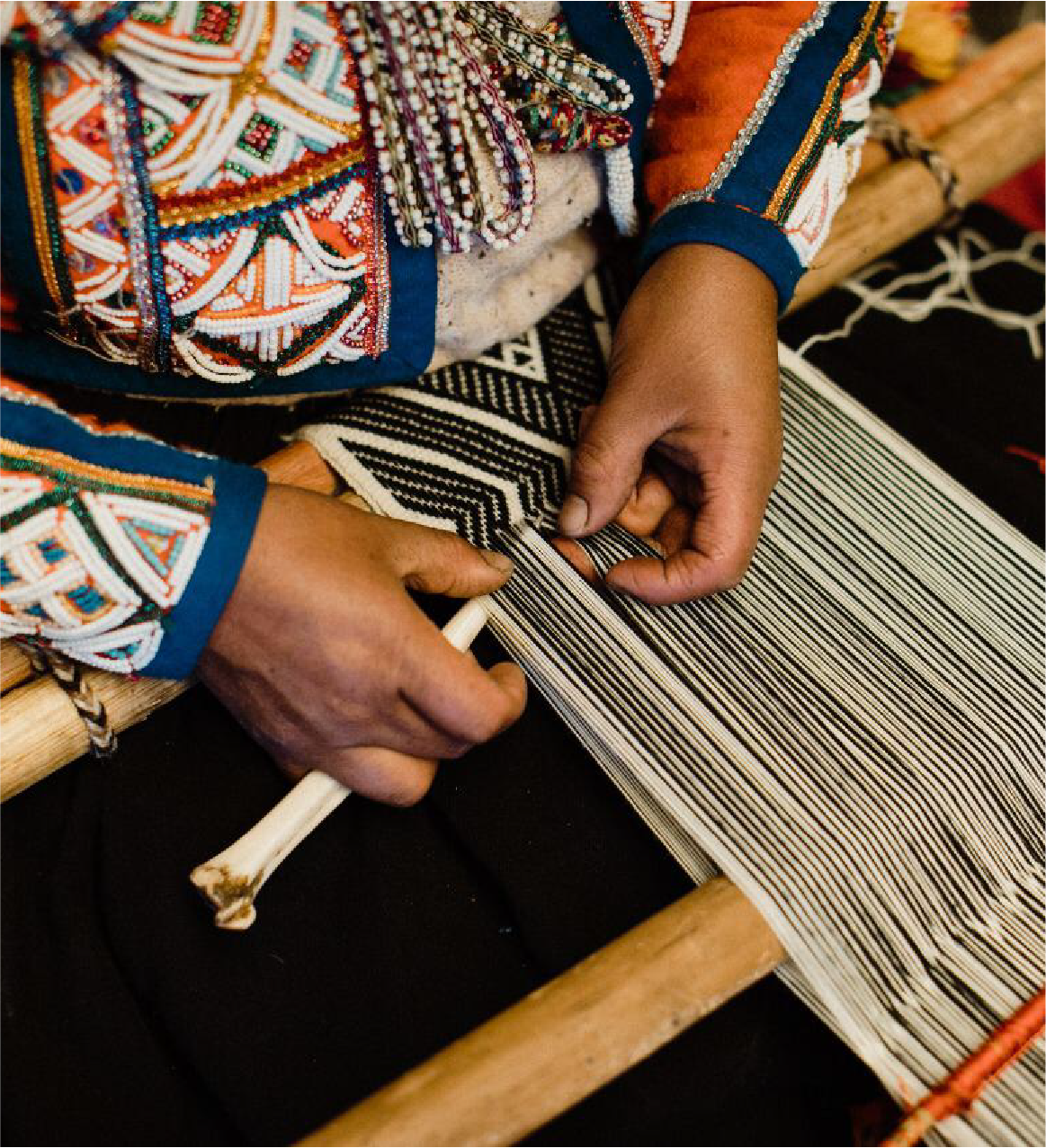
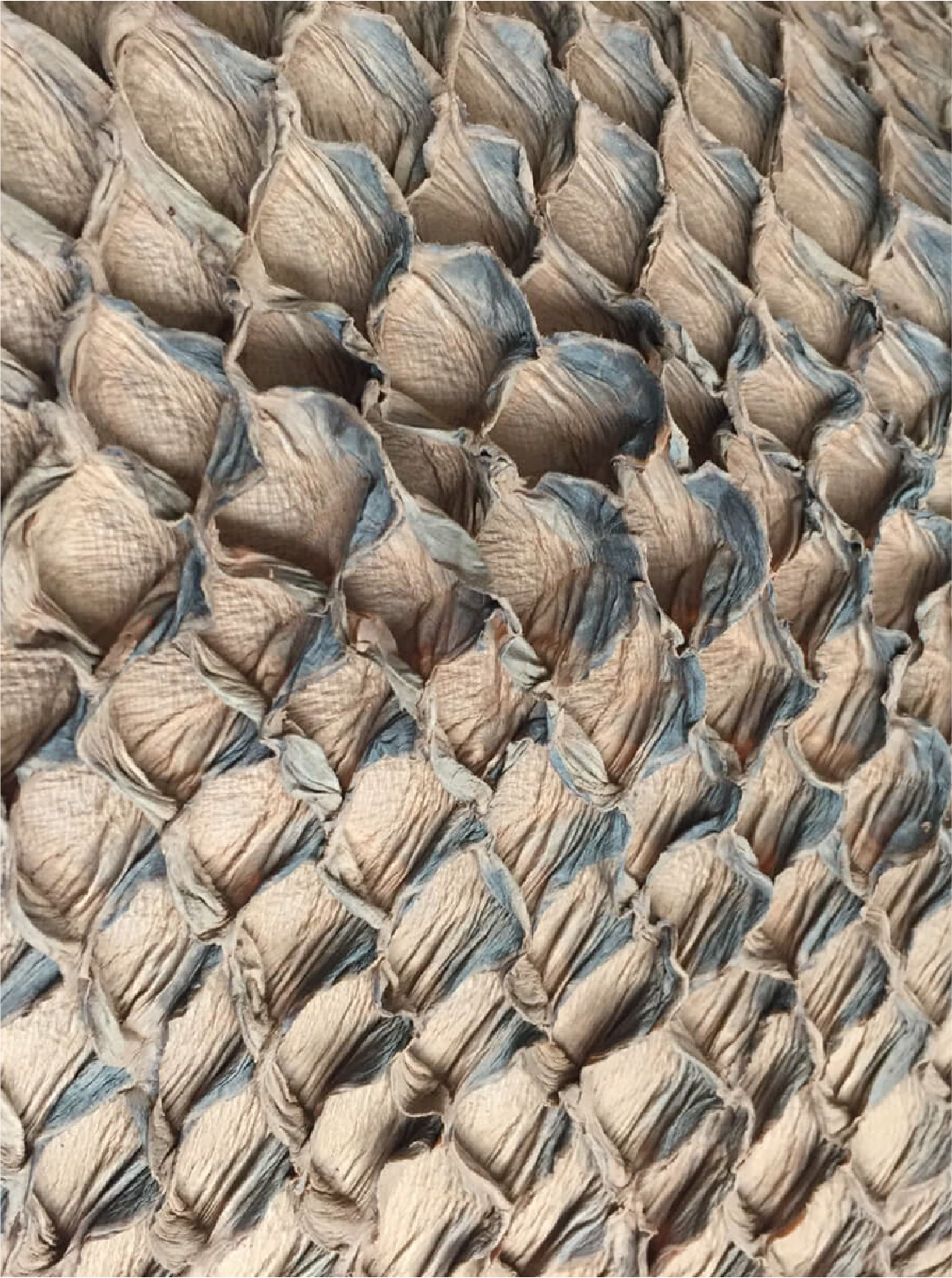
Narrative: Sourced from Andean communities, the fiber is processed either by handspinning or through local industrial methods, giving us flexibility while maintaining quality. In many cases, we use naturally dyed fibers, and work with both alpaca and baby alpaca, each offering unique softness and texture.
Beyond its technical qualities, our fiber embodies ancestral knowledge and a human touch. Handmade yarns carry the energy and care of the artisans who craft them, infusing each garment with a subtle mystical dimension and artisanal luxury.
Native Cotton
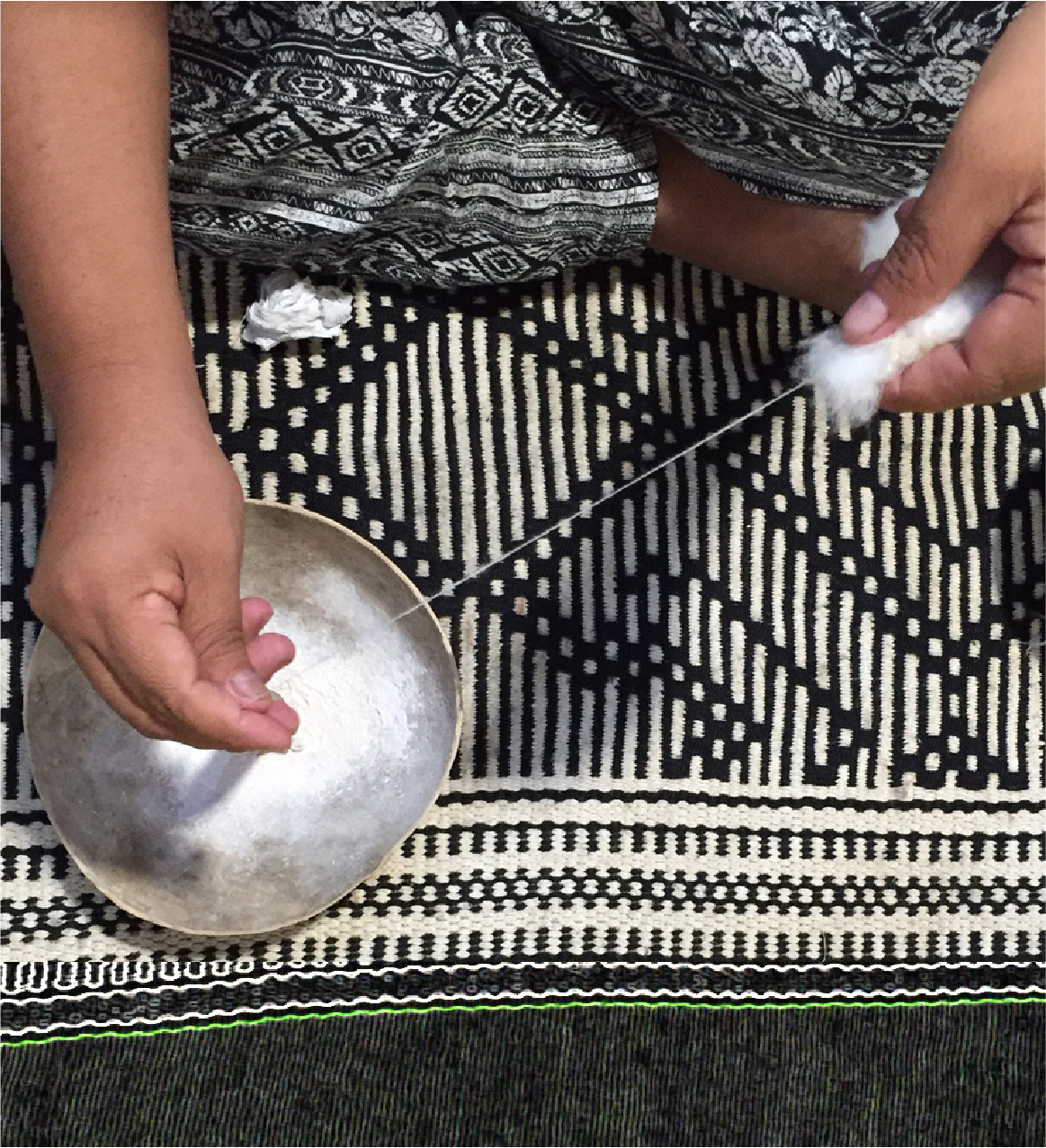
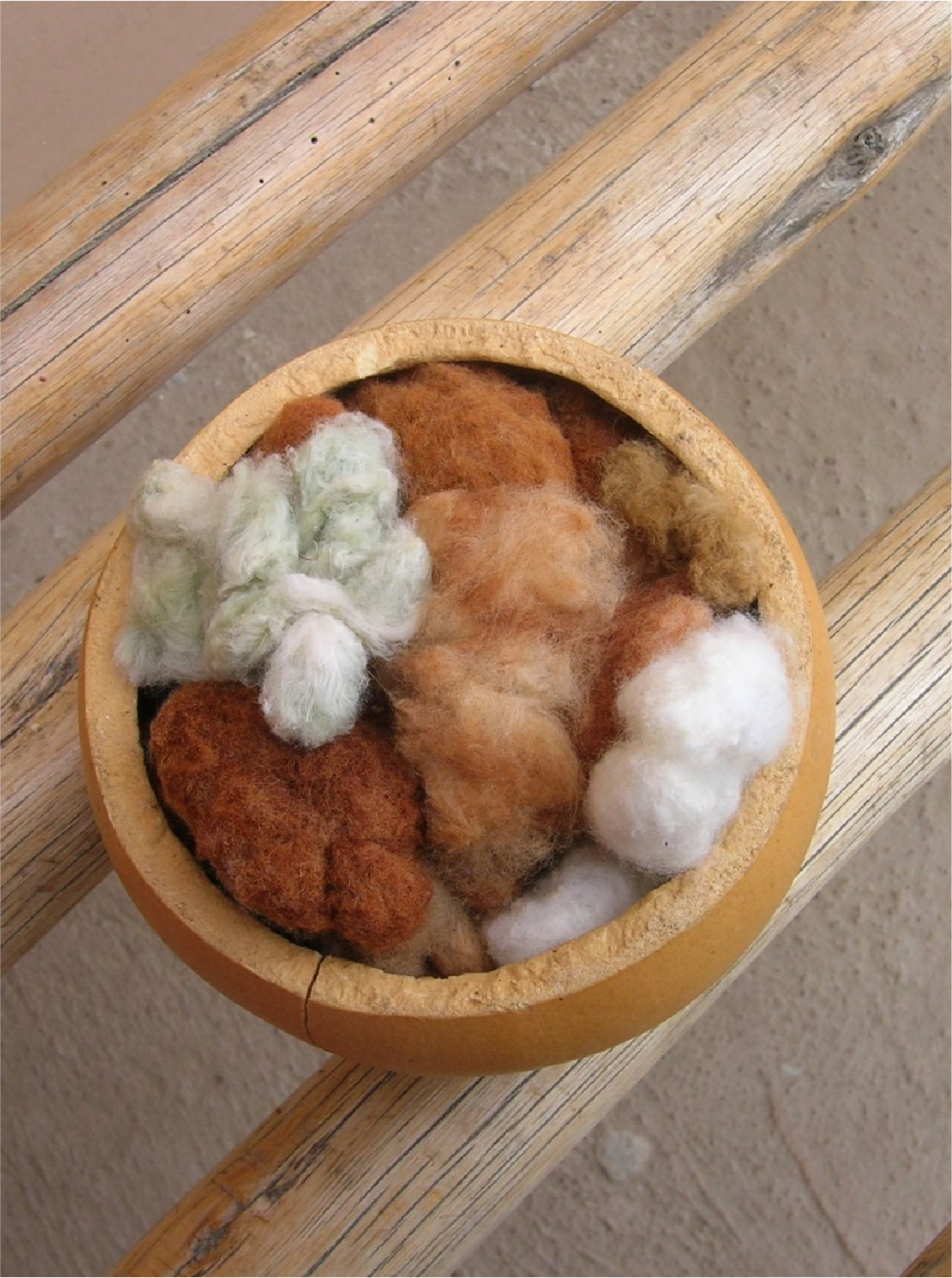
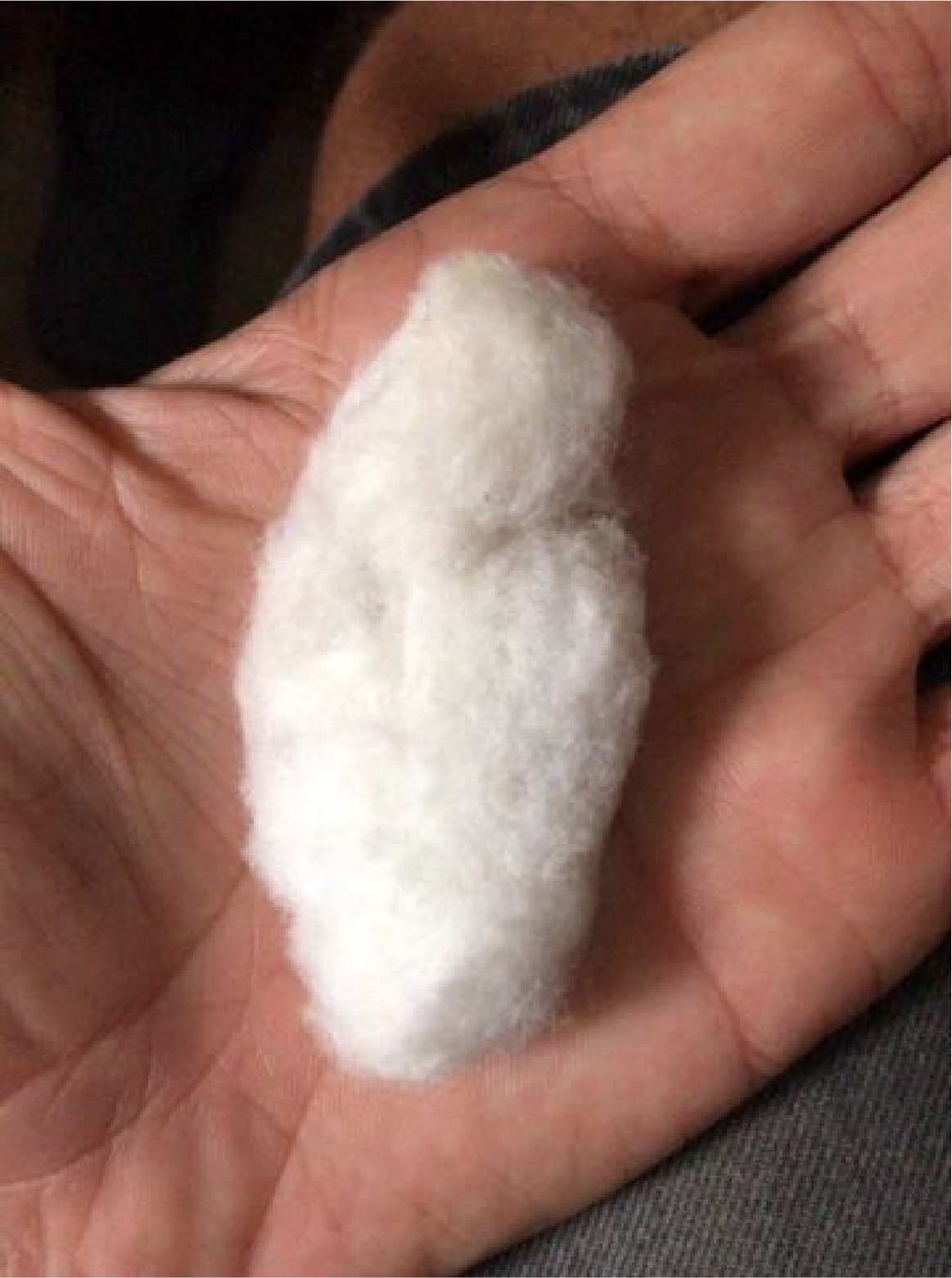
Narrative: Native cotton has been cultivated in Peru for millennia, historically grown by the Caral civilization the oldest in the Americas this cotton offers soft, natural hues from cream to lilac to moss green. These natural tones are preserved in the final garment, eliminating chemical dyes that could harm the Andean ecosystem.
Grown using ancient, low-impact farming practices, the cotton is cultivated without fertilizers or pesticides and uses significantly less water than conventional cotton, supporting healthy soil, biodiversity, and local agricultural landscapes.
Organic Cotton
Narrative: Organic cotton offers benefits for farmers, the environment, and the wearer. By avoiding pesticides and fertilizers, organic cotton reduces groundwater contamination by 98% and helps maintain soil fertility. Cultivation also requires less water than conventional cotton. Our partner small-scale farmers often use stored rainwater for irrigation, preserving the natural flow of local waterways and ensuring responsible stewardship of the land.
Organic cotton represents a holistic approach to sustainable fashion.
The Sake Project
SUSTAINABILITY IS NOT A CHECKLIST BUT A SITUATED PRACTICE OF RECIPROCITY
60+
Artisans, Indigenous leaders and forest guardians engaged
CIRCULAR ECOSYSTEM
Greenhouses, home improvements, medical programs and essential resources
CARAVANA ANDINA
Supporting food security, health access and agricultural sovereignty in the Andes
240+
Hectares of Amazon forest protected through Amazkin model
EACH PIECE A TREASURE OF CONSCIOUS TRANSFORMATION
VEGETABLE-TANNED LEATHER Tanned with tara, an endemic plant from Peru, native to the dry forests of the Andes. Made from hides of animals that died naturally during the frozen season in the Andes, and from residues of the food industry.
LOCAL PRODUCTION. LIMA Always chrome-free, lead-free, and petroleum-free.
Certifications & Recognition
Fair Trade Certified (3 years)
Ensuring equitable pay, safe conditions, and financial autonomy for communities.
Development of a digital blockchain-based traceability system, ensuring transparency from forest and loom to final garment.
Future Pathways
EXPANDING TRACEABILITY FOR FULL STORYTELLING
BIOBASED CERTIFICATIONS FOR WILD RUBBER & FISH LEATHER
STRENGTHENING COMMUNITY LABS AS CENTERS OF INNOVATION
Being part of SAKE means being part of something bigger Fashion that is alive, rooted in reciprocity, and full of soul.